Client
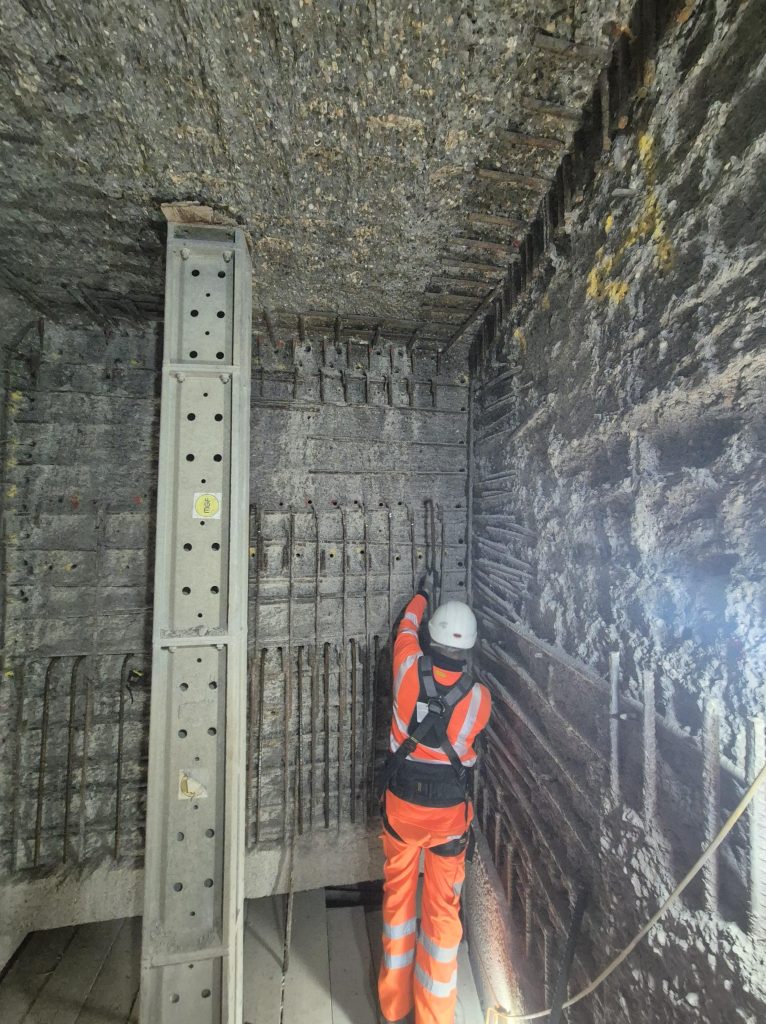
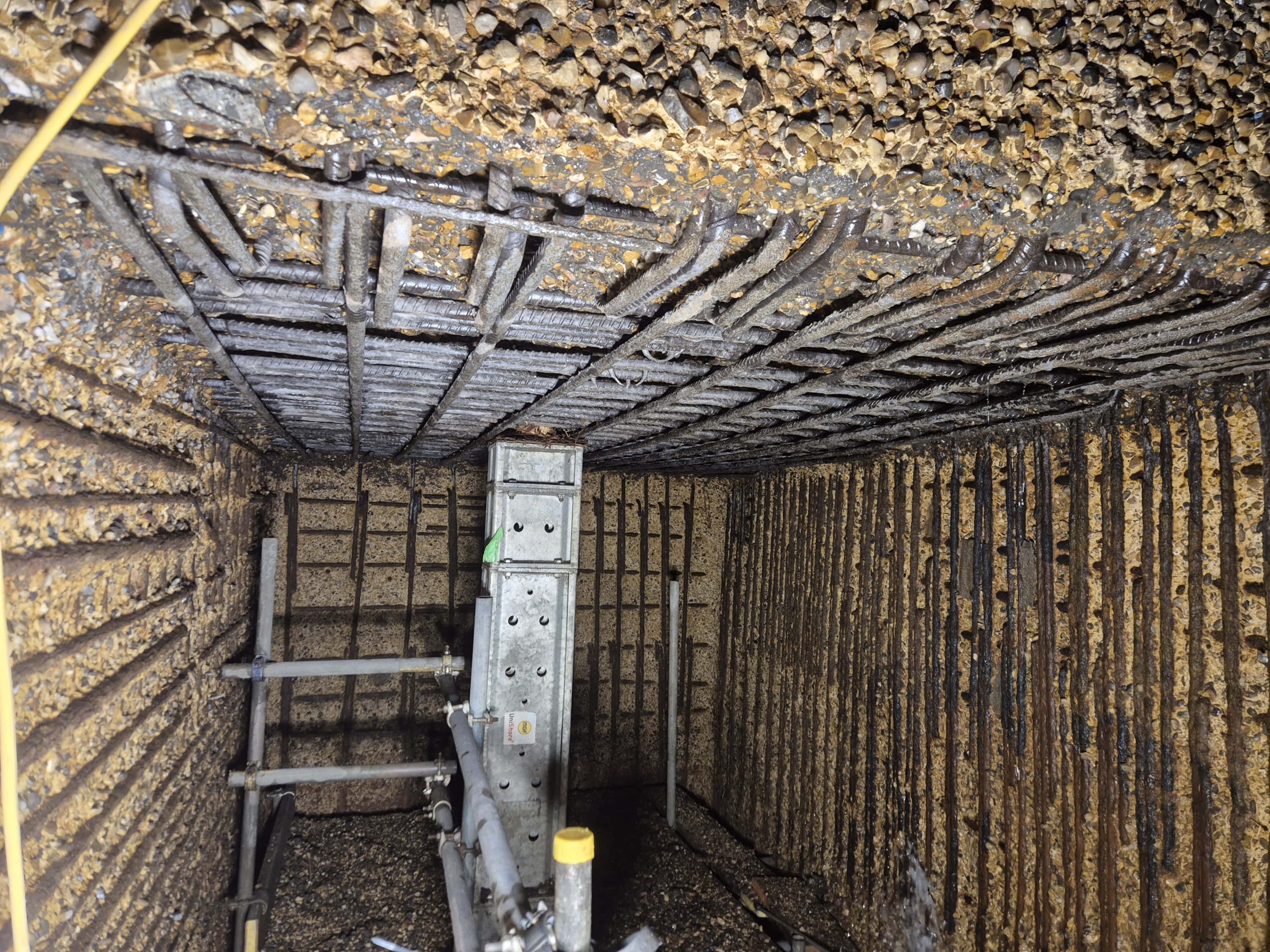
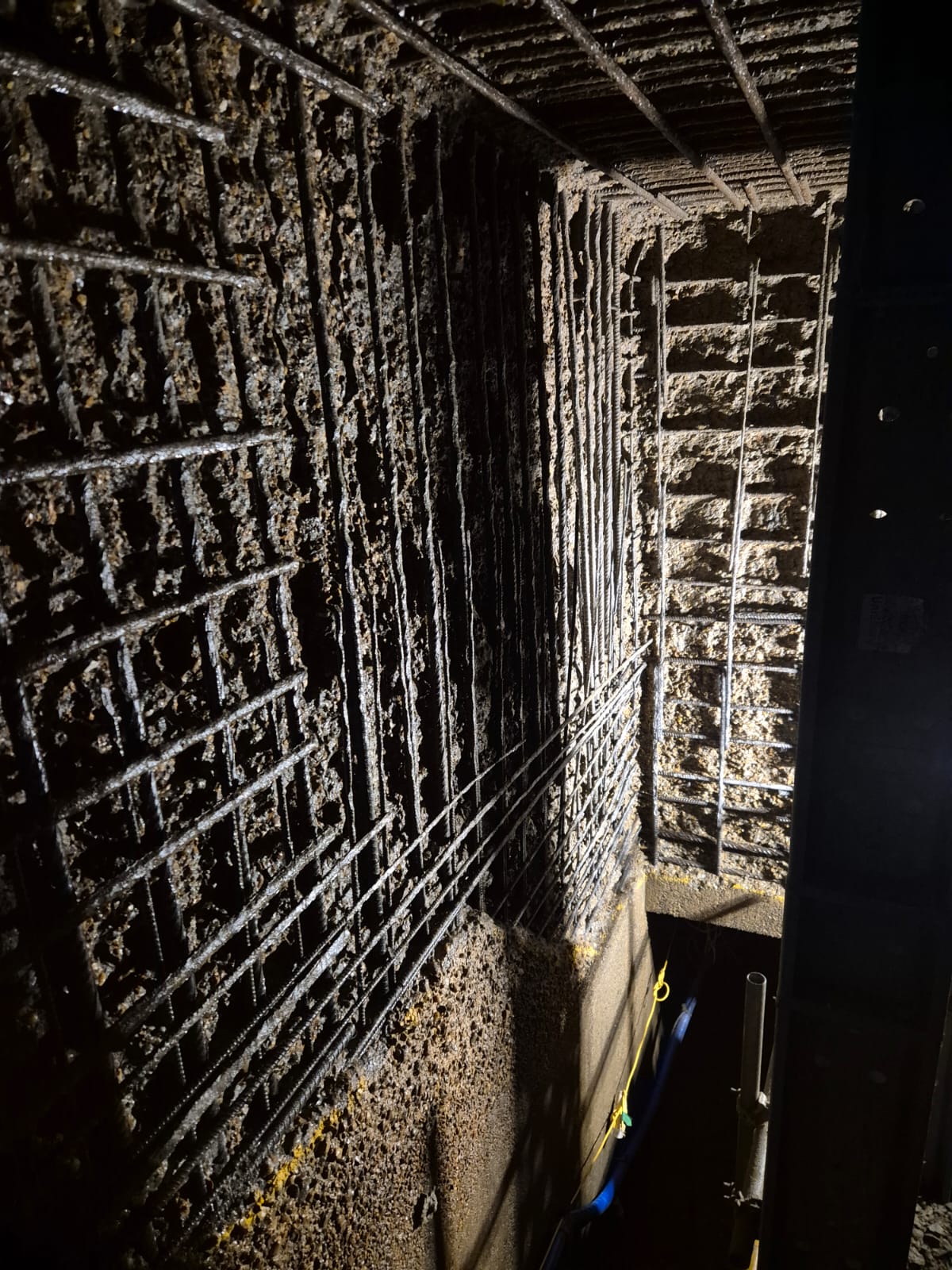
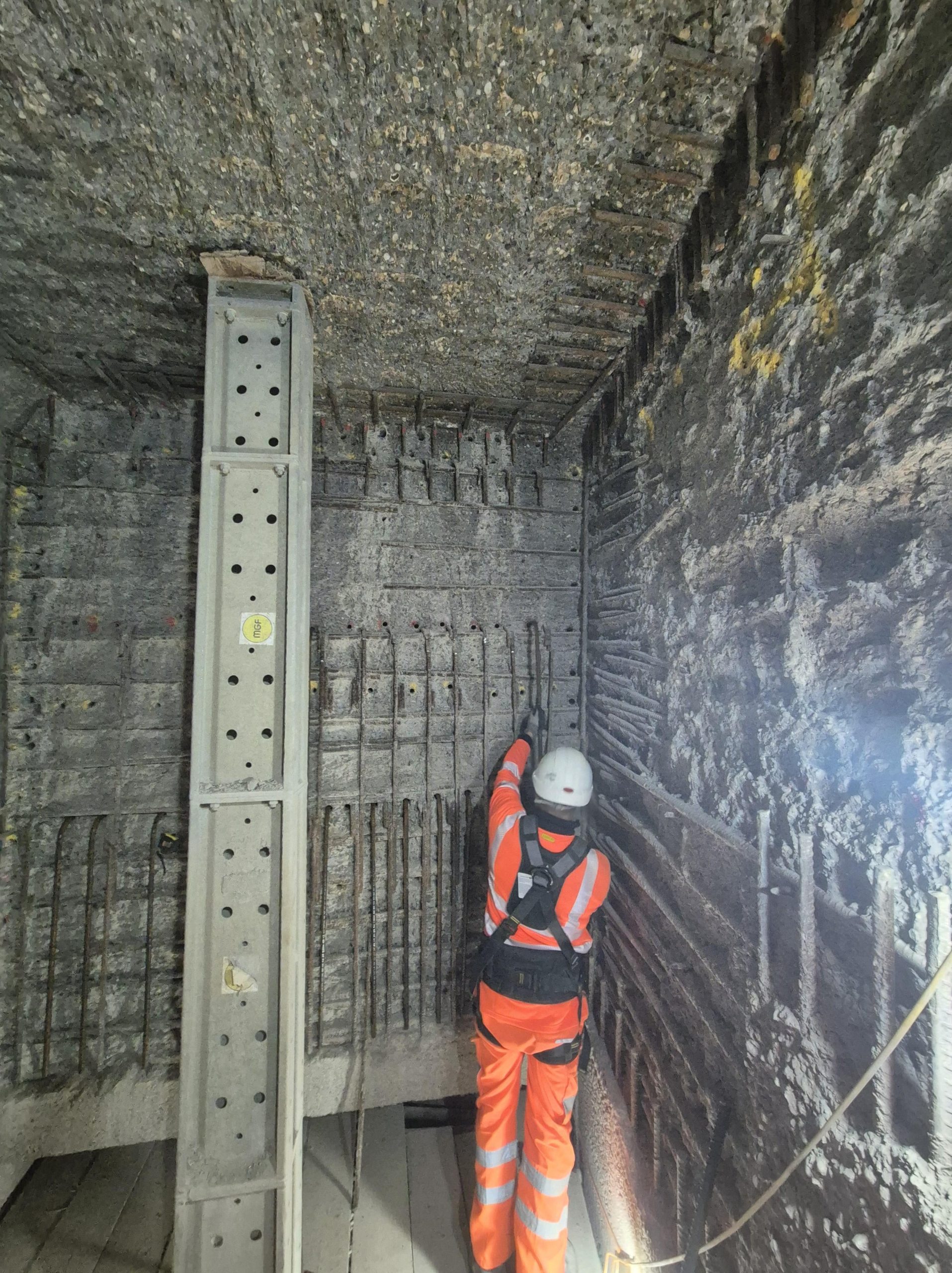
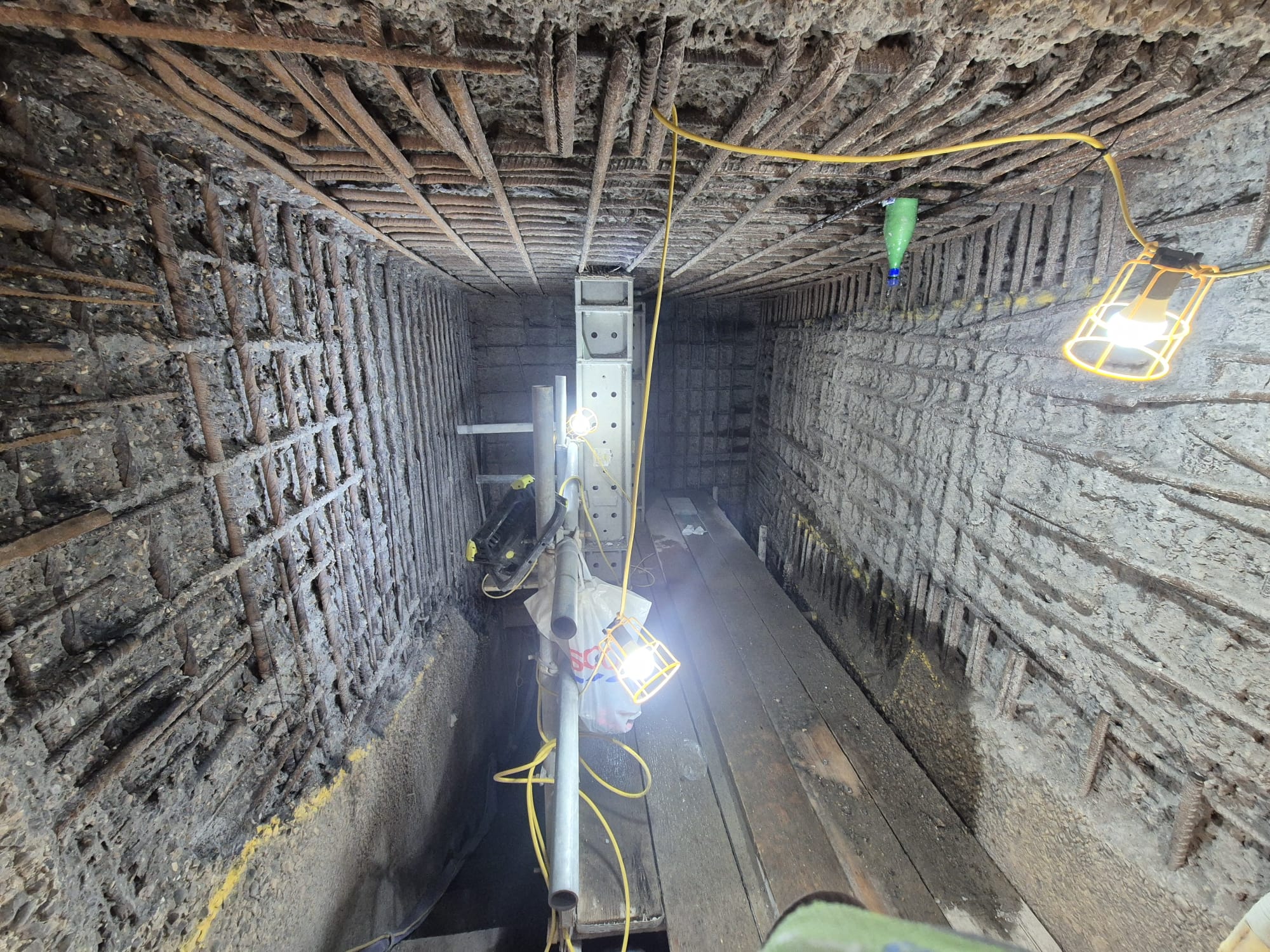
We were appointed to carry out specialist concrete cleaning, hydro demolition, rebar replacement, and concrete remediation works within the North Wet Well. The facility pumps sewage from a catchment of approximately 17,500 population equivalent (PE) into the Northern Outfall Sewer, leading to Beckton Sewage Treatment Works. Over time, the reinforced concrete wet wells and approach channels have suffered extensive chemical degradation caused by Hydrogen Sulphide (H₂S) exposure, resulting in severe corrosion of concrete and reinforcement in various areas.
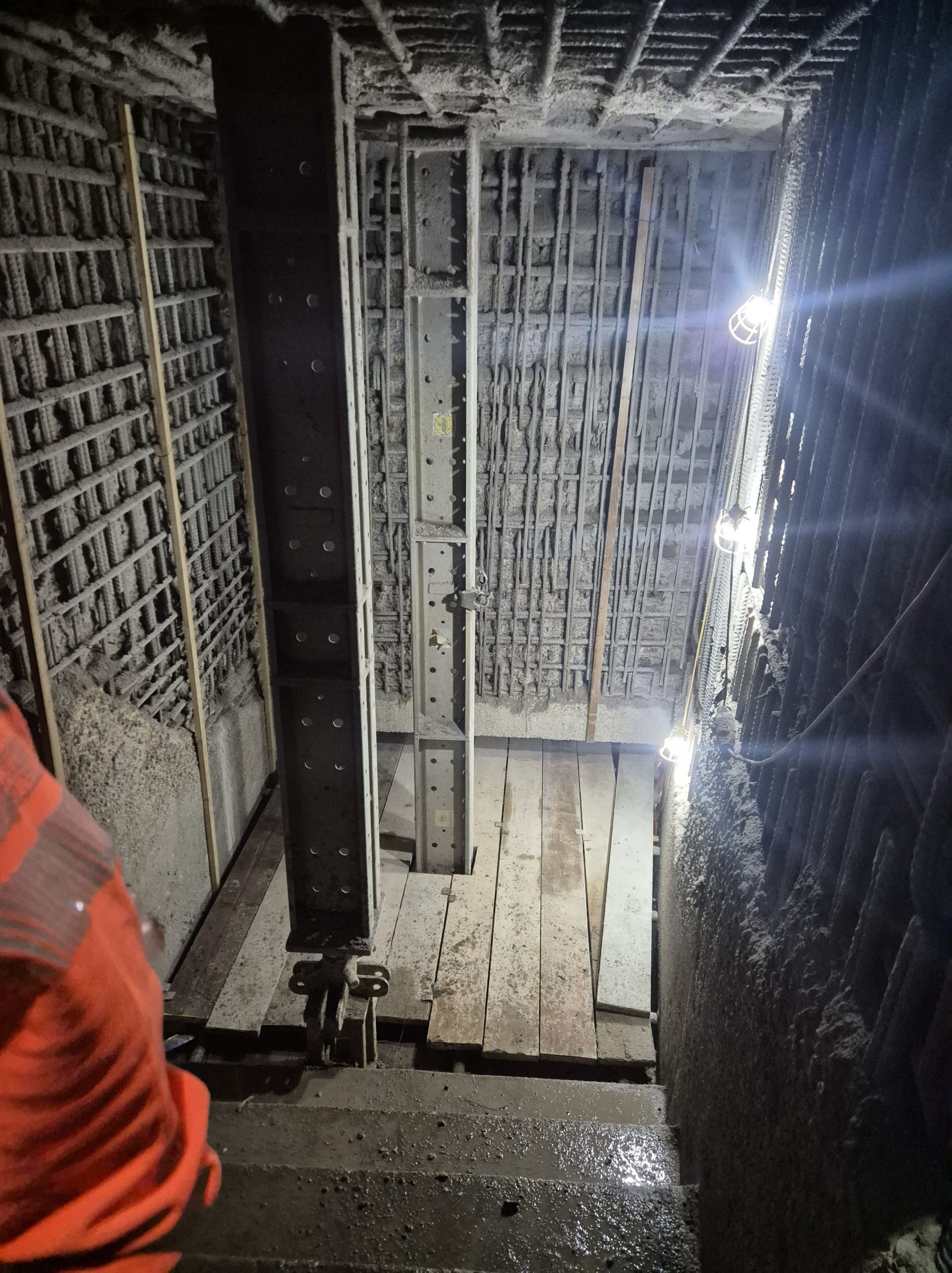
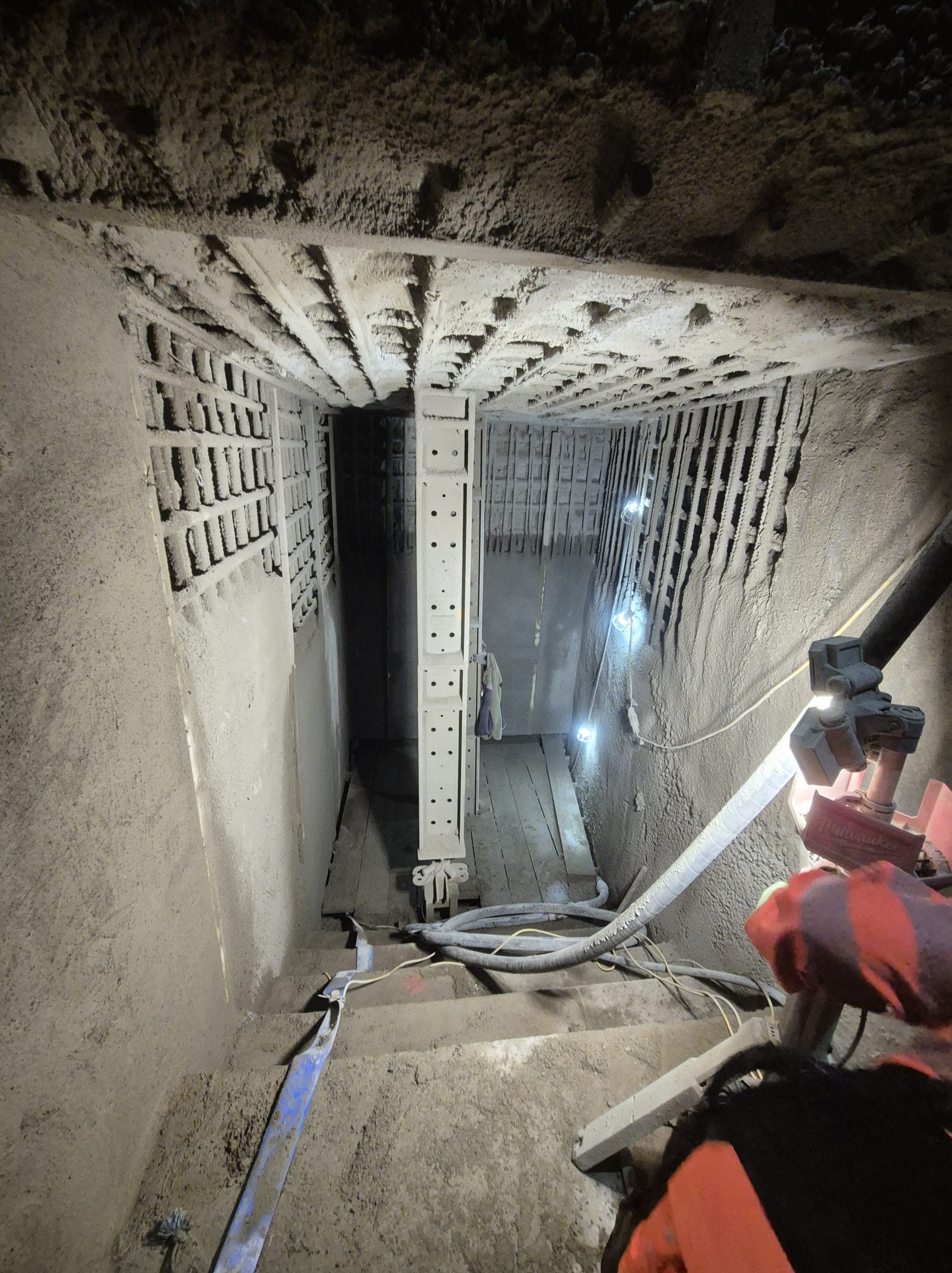
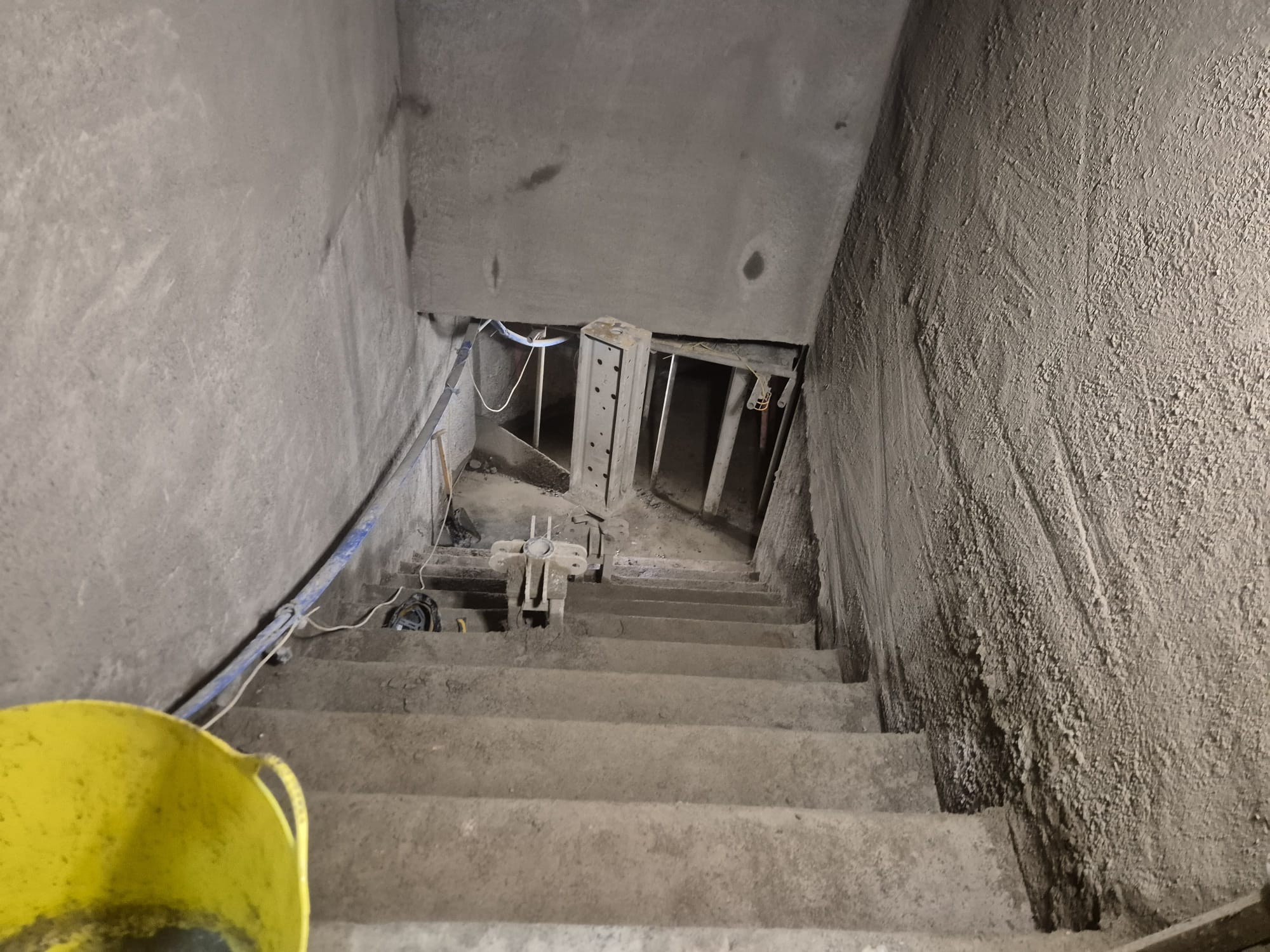
The work is being undertaken in a highly challenging environment approximately 30 metres below ground level. Given the confined space, the presence of toxic gases, and the high-risk nature of hydro demolition, the project has been classified as a high-risk confined space operation. Access is strictly controlled, with only operatives holding “High Risk Confined Entry” training permitted to enter. Continuous forced ventilation, on-site rescue teams, and dedicated shift rotations are in place to ensure safety, while access controllers and “Top Men” monitor all entries and exits. Specialist permits and control measures underpin every aspect of the work to manage the significant health and safety risks involved.
The remediation works are divided into three categories—“Less Corroded,” “Severely Corroded,” and “Very Severely Corroded”—each requiring different repair techniques. These range from high-pressure washing of lightly affected areas to full hydro demolition and rebar replacement in the most damaged zones. Ultra-high-pressure water jetting equipment, operating at approximately 2,000 PSI, is used to remove degraded concrete, requiring operatives to wear full TST body suits and PPE due to the hazards of heat, noise, mist, and water pressure. Additional “Middle Men” are positioned to maintain communication and visibility between teams working underground and access controllers above ground, ensuring continuous monitoring of operatives and minimizing risks such as heat exhaustion or gas exposure.
Following demolition and cleaning, validation testing ensures all damaged concrete and H₂S contamination have been removed. Rebar is then replaced on a like-for-like basis, with measurements taken in situ and cutting performed at the surface to minimize spark generation within the confined space. Finally, shotcreting will be executed in two stages: a primary phase to rebuild and level heavily damaged areas using screed rails and a secondary skim coat phase to protect sound sections against future attack. These works, performed under difficult conditions with restricted space and limited visibility, require close coordination, clear communication, and rigorous adherence to safety procedures to ensure successful restoration of the North Wet Well structure.